INNER WELLSPRINGS
  • Services
    • Naturopathic Care & Nutrition
    • Mindbody Health & Weight Loss Coaching
    • Trauma Therapy & Emotional Healing
    • Food Freedom Coaching
    • Healing Treatments
    • Body-Detox Coaching
    • Dead Sea Detox Retreat
  • Packages & Courses
    • Coaching & Healing Support
    • Inner Wellsprings Academy >
      • IWA Courses
      • Somatic Therapist Masters Certification
  • About
    • About Shana
    • Testimonials
  • Contact
  • Resources
    • You Tube Channel Videos
    • Blog
    • Published Articles >
      • Break The Cycle With a Spiritual Approach to Weight Loss
      • From Surviving To Thriving: The Spiritual Practice of Transforming Our Relationship with Food
      • Tapping into Your Body’s Wisdom for Optimal Health
    • Other Useful Articles >
      • Heavy Metal Exposure
      • Avoiding Toxic Chemical Exposure
      • Tips to Cleanse the body safely
      • Muscle Testing- the key to revealing what your body needs
      • How to choose quality supplements
      • Functional Medicine transforming modern medicine
    • Recipes
    • How to Videos
    • Books Links & Research
  • Book a Session

The Quiet Power of Inner Acceptance: A Journey of Presence and Love

4/10/2025

0 Comments

 
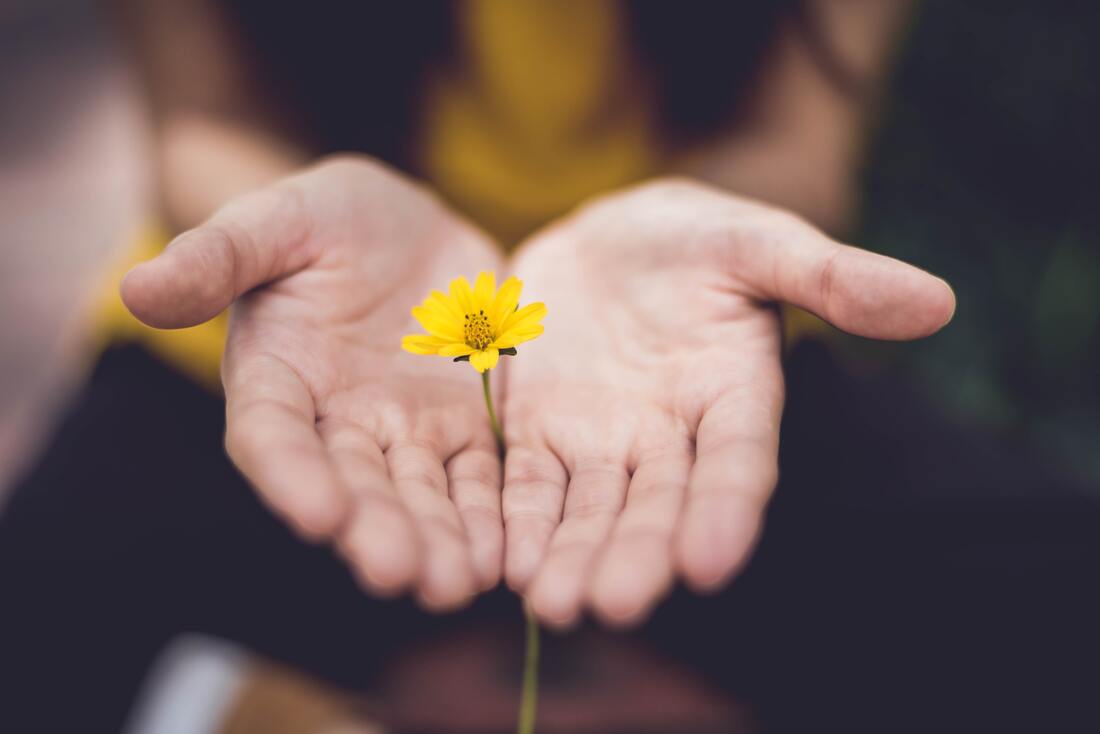
There is an exquisite shift that happens within us when we begin to turn inward—not to control or fix ourselves, but to simply be with what is. This is the journey of true inner acceptance and real self-love. It is not about becoming perfect or eradicating our flaws, but about continuously softening our grip on the need to be somewhere other than where we are, and to be someone other than who we are right now.

We often find ourselves swinging between inner extremes—between judgment and justification, shame and pride, avoidance and over-identification. These reactions, whether they pull us into the “good” or “bad” side of our inner narrative, are still caught in the same web: a continuum defined by resistance to discomfort and a deep fear of simply being with what is.

Here is a guiding prompt that I wrote to one of my clients after one of our recent sessions that I'd like to share with you:
“The way out of either extreme, is the middle place that is above the continuum of good and bad. That continuum will always be bound by reactive response in either direction to inner pain, inner noise and discomfort. So accepting whatever pain, discomfort, or noise with love (instead of reactivity) is the medicine to go beyond the continuum, where we can be free to experience the open nature of reality—where we have the inner space to feel something new bubble up from within us because we are present with what is instead of reacting/rejecting the part of what is that is uncomfortable or that we don’t like.

It is a journey of ongoing refinement of continuously choosing to drop striving to be somewhere else and instead choosing in each moment to relax/accept the truth of how we are showing up in that moment with love.

It’s about baby steps of more and more inner freedom and aligning ourselves with the energy of love as we become more and more open to seeing what will spontaneously bubble up from within.

When something we don’t like is what we are seeing within us, by not judging it or reacting to it with the same patterned reactions, we create the space to also experience something spontaneous that comes from our pure soul energy bubble up from within our true beingness.”


I'm sharing this prompt with you as a gentle call to become more intimate with yourself in the quiet spaces where you would normally turn away. I invite you to use the questions below as a companion through your daily moments of discomfort to deepen your process of finding more and more inner freedom and transformation.

🌿 Questions for Self-Inquiry
  1. What am I feeling right now that I usually try to fix, avoid, or analyze away?
    Can I stay with it, without needing to change it?
  2. What does love look like in this moment toward the part of me that feels most difficult?
  3. Where am I striving to be “better” instead of simply being with what is?
    What might shift if I trusted that presence is enough?
  4. What happens in me when I do not judge or label what I’m experiencing right now?
  5. Can I sense something deeper underneath my usual reactions—perhaps a tenderness, a longing, or even a quiet spaciousness?
  6. What does it feel like to surrender to Hashem’s love in this moment, even if I feel messy, uncertain, or off track?
  7. If I stop trying to ‘improve’ myself for just a moment, what bubbles up from my soul’s deeper knowing?

This path isn’t about perfection—it’s about presence. It’s about learning to turn toward ourselves with compassion, again and again. Each moment becomes a seed of inner refinement, not through willpower, but through loving acceptance. And from that space, something sacred can begin to arise. Not forced, not planned—but spontaneous, true, and alive.
0 Comments

The Transformative Power of Somatic Meditation: A Body-Based Approach to Healing and Awakening

3/24/2025

0 Comments

 
In the world of meditation, there are many different approaches, each offering unique benefits for personal growth, inner peace, and spiritual awakening. One powerful yet often overlooked practice is somatic meditation, a deeply embodied form of meditation that focuses on the wisdom of the body rather than detaching from the body and our experience of the consciousness that comes with embodied living. Whether you're new to meditation or have been practicing for years, somatic meditation offers a refreshing and profound way to deepen your self-awareness, heal your nervous system, and potentially take you far beyond what you may have imagined was possible for your spiritual awareness and self development.
What Is Somatic Meditation?Unlike traditional meditation styles that often emphasize mindfulness, concentration, or visualization, somatic meditation is rooted in directly experiencing the body from within. Rather than watching thoughts come and go or focusing solely on the breath, this practice encourages us to drop into our physical sensations, tuning into the subtle energy, tensions, and movements that naturally arise within our bodies.
At its core, somatic meditation teaches us how to fully inhabit our bodies, creating space for deeper self-connection, emotional release, and nervous system regulation. By paying attention to the felt sense of the body, we cultivate a deep trust in our own innate wisdom—something that many people have become disconnected from due to stress, trauma, and modern lifestyles. In addition, this practice of becoming more in tune with the subtle energies of the body offers the meditator potential for profound releasing of habits and deeply rooted blocks that often cannot be accessed through many other types of meditation, psychotherapy, and even other healing modalities.
How Is Somatic Meditation Different from Other Meditation Styles?Most meditation practices guide us to work with our thoughts, breath, or external focal points, but somatic meditation is about embodiment--feeling rather than thinking. Here are some key differences that set it apart:
  1. Body as the Guide – Instead of using the mind to guide the practice, somatic meditation asks us to listen to the body's intelligence. It is about sensing, allowing, and being rather than controlling, fixing, or escaping.

  2. Healing the Nervous System – This practice is particularly powerful for those who have experienced stress, trauma, or chronic tension. By attuning to our bodily sensations in a compassionate way, we gently unwind deep-seated patterns in the nervous system, leading to profound healing and restoration.

  3. Non-Dual Awareness – Many forms of meditation encourage observing the mind from a place of detachment. Somatic meditation invites us to dissolve the mind-body divide, creating a more intimate and holistic connection with our full being.

  4. Reclaiming Embodied Presence – Rather than striving for a transcendent or altered state, somatic meditation helps us root deeper into the present moment through our body’s direct experience. It brings us home to ourselves in the most natural and grounded way.

Why Is Somatic Meditation a Powerful Tool for Healers?For those working in the fields of alternative health, energy healing, bodywork, and holistic therapies, somatic meditation is an invaluable practice. Not only does it support self-regulation and resilience, but it also enhances the ability to hold space for others. Healers who practice somatic meditation develop a refined sensitivity to energy and intuition, allowing them to guide clients through deeper layers of healing with greater presence and compassion.
Additionally, somatic meditation is a powerful tool for guiding others in nervous system healing. Many chronic issues—whether emotional, energetic, or physical—are rooted in a dysregulated nervous system. By incorporating somatic meditation techniques, practitioners can help clients reconnect with their bodies, release stored trauma, and cultivate a state of inner balance and safety.
When and Where Somatic Meditation Creates TransformationOne of the most profound aspects of somatic meditation is its ability to create deep inner shifts in areas of life where we feel most stuck. Those who practice this method consistently often experience breakthroughs in the places where they thought change was impossible. Here are some life scenarios where somatic meditation offers profound transformation:
  • Emotional Healing – If you've struggled with deep-seated emotions, such as anxiety, grief, or anger, somatic meditation allows these emotions to surface, process, and release naturally, leading to true emotional freedom.
  • Overcoming Limiting Patterns – Many people notice shifts in recurring negative patterns—whether in relationships, career choices, or self-worth—because the body holds these patterns at a deeper level than the mind alone can access.
  • Navigating Life Transitions – Whether you're facing a major career shift, relationship change, or personal transformation, somatic meditation can help you move through uncertainty with clarity and resilience.
  • Healing Chronic Stress & Trauma – For those dealing with unresolved trauma or long-standing stress patterns, somatic meditation supports the nervous system in releasing stored tension and restoring balance.
  • Breaking Through Creative Blocks – Many artists, writers, and creatives find that practicing somatic meditation removes internal resistance, allowing inspiration and flow to return effortlessly.
  • Deepening Spiritual Awakening – Those on a path of spiritual growth often experience more profound insights and embodiment of their awakening through this practice, as it helps dissolve the barriers between mind, body, and spirit.
Getting Started with Somatic MeditationIf you're curious to explore somatic meditation, here are a few simple ways to begin:
  1. Drop Into the Body – Find a comfortable space, close your eyes, and shift your attention to the sensations within your body. Notice what you feel without trying to change anything.

  2. Breathe with Awareness – Instead of controlling your breath, simply observe how it moves through your body. Let your breath become a bridge to deeper presence.

  3. Follow Sensation – Bring gentle curiosity to any sensations, tensions, or movements that arise. Allow them to unfold naturally, without resistance or judgment.

  4. Rest in Stillness – After spending time sensing into the body, rest in the feeling of spacious awareness. Let go of effort and simply be.

Embracing the Journey of EmbodimentSomatic meditation is more than a practice—it’s a profound way of relating to yourself, your body, and the world around you. Whether you're seeking personal healing, spiritual awakening, or tools to enhance your work as a healer, this practice offers a path to deeper embodiment, resilience, and transformation.
By learning to listen to the wisdom of the body, we open ourselves to a richer, more vibrant experience of life—one that is deeply connected, present, and whole. If you’re ready to embark on this journey, know that every moment of tuning into your body is an act of healing and self-discovery. 
For those who are curious and want to learn powerful somatic meditation techniques or for those who are ready to take a deep dive into learning to become a Somatic Meditation Practitioner, check out my newest Somatic Meditation Beginner and Advanced courses at the links below on Udemy and make sure to type in coupon code EMBODIED at checkout to get the LOWEST SALE PRICE for the next 5 days when purchasing the course.
Somatic Based Meditation Teacher and Practitioner Certified Somatic Based Meditation Teacher and Practitioner | Udemy
Advanced Somatic Meditation Teacher and Practitioner Certified Advanced Somatic Meditation Teacher & Practitioner | Udemy

Other courses that also are eligible for the lowest price discount with the same coupon code are:
Somatic Reprocessing Practitioner https://www.udemy.com/course/somatic-reprocessing-practitioner
Somatic Integration Practitioner https://www.udemy.com/course/trauma-informed-somatic-integration-practitioner
Somatic Mind Body Healing Practitioner https://www.udemy.com/course/somatic-mind-body-healing-practitioner
Emotional Detox | Somatic Release Therapy https://www.udemy.com/course/emotional-detox-program-mind-body-somatic-release-therapy
Regenerative Health Detox and Nutritional Therapy https://www.udemy.com/course/regenerative-health-detox-nutritional-therapy


0 Comments

Mastering Somatic Healing: Exploring Four Transformative Courses for Personal and Professional Growth

1/6/2025

0 Comments

 
Somatic therapy is a transformative approach to healing that integrates the wisdom of the body with emotional and mental well-being. Rooted in the understanding that the mind and body are deeply interconnected, somatic therapy helps individuals process and release unresolved emotions and trauma stored in the body, leading to profound shifts in health and self-awareness. This approach empowers both practitioners and clients to address the root causes of emotional and physical discomfort, fostering lasting change through techniques that honor the body’s innate healing intelligence. Whether you’re looking to build a career in somatic therapy or deepen your personal journey of healing, these courses offer comprehensive training and experiential learning to help you guide yourself and others toward greater harmony and wholeness.

In this post, I’m thrilled to introduce the four somatic therapy courses I offer, each uniquely designed to cater to different needs and levels of experience. These courses are crafted to stand alone, providing comprehensive training and insights that can be applied immediately, whether you’re a beginner or an experienced practitioner. At the same time, they are designed to complement one another, offering a synergistic pathway for those seeking to develop mastery in the field of somatic-based healing. Whether your goal is to establish a professional practice, specialize in treating chronic conditions, or embark on a personal journey of emotional and physical transformation, understanding the distinctions and interconnections between these courses will help you choose the one that best supports your aspirations—or combine them to deepen your expertise and broaden your impact.

The first course called the Somatic Mind Body Healing Practitioner Training course focuses primarily on teaching one core somatic emotional healing process that is meant to serve as a base for any somatic therapy practice. It gives core principles needed for beginners or for those with previous experience who want to synthesize what they allready know into a solid foundation of using specific tools to guide clients through the work of deep somatic emotional processing with wisdom and confidence.

Next is the Somatic Integration Practitioner Training which both stands alone but also takes the material from the previous course a step farther by showing how the somatic work fits in to that of the eastern consciousness based healing system of the energy body and the chakras which offers deep insights in to how stuck emotions can be released from the nervous system. In addition, the course presents an open framework where many new somatic tools are taught to the practitioner which are meant to enhance the basic process taught in the previous course or other prior therapeutic systems that one may have learned previously.

The next course, the Somatic Reprocessing Practitioner Training focuses in a much more direct way with using Somatic Therapy to treat specific mind-body related chronic illnesses including chronic pain. The course has a strong focus on tools that reprogram the cycle of chronic dis-ease symptoms on both the mental, emotional, and physical levels. In addition students gain a solid foundational understanding of both ancient and modern mind body medicine and how this can be applied to a variety of different chronic physical and mental health issues.

Finally, there is the Emotional Detox | Somatic Release Therapy course which is the one course that is not per se a "practitioner" training course. This course is geared at taking any person deeply through the process of somatic emotional release in a experiential hands on and powerful way. This makes it a great complement to any of the other courses for those who have less prior experience with going through somatic healing and also for those with experience who want to take their learning to the personal level which is HIGHLY recommended for anyone wanting to become a practitioner of this work.

​Here’s a summary of the differences between the four courses:

1. Somatic Mind Body Healing Practitioner Training
  • Focus: Core somatic emotional healing process.
  • Target Audience: Beginners or those with prior experience seeking a solid foundation for guiding somatic therapy.
  • Key Learning:
    • One core somatic emotional healing process.
    • Specific tools for guiding deep emotional processing.
    • Builds practitioner confidence and wisdom.
2. Somatic Integration Practitioner Training
  • Focus: Integration of somatic work with energy systems (chakras) and expanded somatic tools.
  • Target Audience: Practitioners who want to enhance their foundational knowledge or previous training but also gives a healing framework with tools that can stand alone and be immediately implemented.
  • Key Learning:
    • Energy body and chakra-based insights for releasing stuck emotions.
    • New somatic tools to complement prior therapeutic methods.
    • Builds on the basic process taught in the first course or other prior systems.
3. Somatic Reprocessing Practitioner Training
  • Focus: Using somatic therapy for chronic illnesses and pain.
  • Target Audience: Practitioners focusing on chronic physical and mental health conditions.
  • Key Learning:
    • Tools to reprogram chronic dis-ease cycles (mental, emotional, and physical levels).
    • Foundations of ancient and modern mind-body medicine.
    • Application of techniques for specific chronic illnesses.
4. Emotional Detox | Somatic Release Therapy
  • Focus: Experiential somatic emotional release (not a practitioner training).
  • Target Audience: Individuals (with or without experience) seeking personal healing or complementing practitioner training.
  • Key Learning:
    • Hands-on, personal somatic healing process.
    • Suitable for practitioners to experience healing themselves.
    • Complements practitioner courses with a personal perspective.
Main Differences:
  • Practitioner Training: First three courses focus on practitioner skills, while the fourth is personal and experiential.
  • Core vs. Expanded Tools: The first course focuses on foundational tools, while the second and third expand or specialize in techniques.
  • Specialization: The third course targets chronic illness, while the others are broader or personal in scope.

As you explore these four courses, I hope you gain a clear understanding of how each one can support your personal and professional journey into the transformative world of somatic healing. Whether you’re just starting out, expanding your expertise, or deepening your own healing process, these courses offer valuable tools, insights, and experiences to guide you. Remember, you can take any course as a standalone opportunity or combine them to create a comprehensive path toward mastery in somatic therapy. Whichever route you choose, I’m confident it will empower you to make a meaningful impact—on yourself, your clients, and the world around you. 


For discounts on the courses UNTIL JANUARY 26TH type in the coupon code FRESHSTART at checkout.
0 Comments

Navigating the Complexities of Finding Your Optimal Diet

8/31/2023

1 Comment

 
While the quest for the optimal diet has been an ongoing debate for centuries until this day, the overriding evidence still shows that there is no optimal way of eating for everyone.  I’ve seen with my own eyes in my Naturopathic practice the extent to which people's responses to different foods and food plans are so varied. In particular, my clinical practice has shown me how varied responses are from person to person when using any particular nutritional framework that is touted for promoting healing.  Perhaps the clearest example of this is looking at the way in which many chronic health conditions improve from plant-based diets while for others, diets that include animal products seem to be critical for activating healing in the body. Interestingly enough, the efficacy of both of these seemingly contradictory nutritional ideologies for healing chronic health issues is substantially supported by research. 

The Sea of Contradictory Nutritional Information 
In order to rectify the many nutritional contradictions that we find out there, let’s look at why there seems to be so much disagreement about which is the “correct” way to eat. Afterward, I’ll talk about a different approach to nutrition that utilizes nutrition according to it's ability to activate the body's innate healing power and how we can learn to distinguish varying nutritional needs from person to person. 

There are a number of different reasons behind the ongoing debate about the optimal way to eat. Firstly, as our understanding of nutritional biochemistry advances, different experts can interpret and prioritize certain findings over others, leading to varying dietary recommendations. In addition, the media's influence, with its penchant for sensationalism, can amplify specific dietary trends, often oversimplifying complex concepts and contributing to confusion among the general public. Cultural and social factors also play a significant role through genetic influence over nutritional requirements as well as the dietary habits that are deeply intertwined with many traditions, cultures, and identities. 

In addition to the factors mentioned above, it’s also important to recognize how economic interests from various sectors of the food industry can further muddy the waters, potentially skewing information to favor particular products or dietary ideologies. The confluence of these factors results in a diverse range of opinions, making it challenging for individuals to navigate the sea of dietary advice and determine what truly constitutes the optimal diet for their unique circumstances.

Research was done in major universities and hospitals on twins eating the same foods which showed a high occurrence of varied responses to identical foods including large variations in insulin and fat levels after eating (1). Other interesting research studies show that both genetic differences as well as varying ethnicities affect food tolerances and nutritional requirements (2). This research makes it clear that while there are some basic nutritional principles that most people agree on like eating lots of veggies and fiber and cutting back on things like sugar and processed foods, a new way of understanding how to personalize nutrition for optimizing one’s health is needed.

The Times They Are A Changin
When examining how to begin to integrate healing principles of different ideologies in a way that can be applied to the individual, we must examine the dynamic interplay between external factors and our understanding of human health. While nutritional wisdom from different traditions have provided valuable guidance, it's essential to acknowledge that the modern landscape presents novel challenges and influences that have led to shifts in how to apply wisdom from different nutrition camps to an individualized nutritional approach that works for the current conditions that we are living in. Factors such as changes in food production, regular exposure to various chemicals, processing methods, environmental stressors, and advancements in genetic engineering have introduced complexities that demand a reevaluation of traditional nutritional paradigms. Our bodies now contend with synthetic additives, pesticides, and highly processed foods that were absent in earlier dietary contexts. Furthermore, genetic engineering has introduced modified versions of crops, altering their nutrient profiles and potentially affecting our bodies' responses to them.

The pressures of modern life, including chronic stress, sedentary lifestyles, and disrupted sleep patterns, contribute to changes in our metabolic dynamics and nutritional requirements which also demand consideration when moving towards a new paradigm that accounts for individual nutrition needs. These external stressors can impact how our bodies metabolize nutrients and respond to various dietary components, making it crucial to adapt our nutritional strategies accordingly. As our understanding of epigenetics deepens, we recognize that even our genes' expression can be influenced by our environment, potentially altering how we respond to specific nutrients.

Steps Toward Finding Your Optimal Nutrition
In light of the myriad of factors that play into each individuals unique health circumstances, it becomes evident that our ideas about nutritional need to evolve to address the modern context. By acknowledging the impact of external factors on our nutritional requirements, we can begin to understand a new approach to finding the optimal way to eat for each individual that promotes health and healing. From here we can be ready to take the necessary steps to identifying the optimal way of eating for our individual needs at any given time in our life. 

Here are some points to consider when moving toward a new understanding of nutrition for optimal health:
  1. Become more conscious of the biases that may be part of the ideas you allready hold about proper nutrition that may come from media, cultural influences, and even researchers.
  2. Recognize that our food choices are strongly connected to emotional factors. Because I've seen how crucial working on emotional healing is in order to properly change diet in the most balanced and sustainable way, it's important to be aware of how much one's willingness to look at emotional factors is a integral step in determining the nutrition that's optimal.
  3. Learn about the different internal and external cycles that make optimal nutrition much more dynamic than most people realize and start learning how to navigate nutrition through these cycles in more flexible ways.
  4. Finally, become open to learning about the self-healing mechanisms of the body and how nutrition can support the healing and reversal of many chronic health conditions or just feeling increasing levels of physical and emotional vitality.

Witnessing the transformation of physical and emotional health that comes from a new dynamic way of approaching health and nutrition is truly astounding.  It's surprising to see how often people who initially say they are allready eating healthy, change their approach to health and nutrition  after learning simple principles and tools for self healing that were not evident in their initial understanding of "healthy eating".  What's even more wonderful to see is the increased sense of well-being and empowerment that I see come from not only the nutritional changes but also the inner work that this new approach sparks in people. When one understands this comprehensive system of healing, the contradicting nutritional ideas that previously created confusion resolve and pave the way for an integrated paradigm of health that can be applied to each individual. The result of this shift becomes an existence of increasing levels of health that's about thriving instead of just surviving.

Click here to learn about my upcoming 5 week Mind Body Upgrade course where I will be teaching my basic system for mind body healing that empowers people with the tools needed to activate the self healing mechanism of the body and determine the nutrition that will be most optimal for each individual at any given phase of life.

​
endnotes

(1) https://joinzoe.com/whitepapers/the-predict-program
(2) https://www.sciencedirect.com/science/article/pii/S0002916523293053#:~:text=Genetic%20variation%20is%20known%20to,the%20basis%20of%20an%20individual's


1 Comment

July 28th, 2023

7/28/2023

0 Comments


Self-Regulation: The Missing Link In Healing and Habit Change

In our journey to heal physical and mental health issues, we often focus on external factors such as medications, therapies, and lifestyle changes. While these elements are undoubtedly important, there is one crucial piece that is often overlooked: self-regulation. 

Learning tools for emotional regulation can be a game changer, providing us with the missing link to true healing and sustainable habit change. In this blog, we will explore how developing emotional awareness and practicing advanced self-regulation skills can pave the way for profound transformation in our overall well-being.

Understanding Self-Regulation:

Self-regulation refers to the ability of our nervous system to manage and modulate its response to the  emotions, thoughts, and behaviors that are triggered by the different people and situations around us. Basic self-regulation skills are often learned during childhood as part of natural development and socialization. These fundamental abilities, such as taking turns, managing frustration, and calming down after a tantrum, help children adapt to their surroundings and navigate everyday challenges. While these skills lay the groundwork for emotional regulation, advanced self-regulation represents a higher level of emotional maturity and empowerment. Advanced self-regulation goes beyond merely managing emotions in a way that enables a person to function in society; rather it involves a profound understanding of our inner world and a willingness to confront and transform deeply ingrained and self-defeating emotions, thoughts, and behaviors. 

Learning to self-regulate beyond the basics skills that most people develop during their early years is crucial for the more advanced states of emotional maturity that lead not only to physical healing but also to accelerated spiritual growth and deeper intimacy in relationships. This is because once one develops these more advanced self-regulation tools, they become empowered to navigate life’s challenges in a way that enables them to learn and grow from experiences that are triggering instead of feeling stressed, overwhelmed, and reactive. This means that one who possesses tools to self-regulate in more advanced ways will be in a sense, “upgrading” their emotional operating system. With practice, this new way of functioning emotionally becomes one’s new “regular” way of functioning where the difficult emotions that arise within that once caused increased stress to the system now become the catalyst for releasing blocks to change and making the choices that are most aligned with one's higher self. 

Once you are ready to start consciously cultivating deeper abilities to self-regulate, it's recommended to start developing more awareness of your emotional state in day to day moments. Here are some ways to start expanding your current level of emotional awareness:
  1. Cultivate Mindfulness: Mindfulness is the foundation of emotional awareness. Take time each day to sit quietly, observe your thoughts, and become aware of your bodily sensations. Allow yourself to experience emotions without judgment or resistance. This practice will deepen your understanding of your emotional landscape.
  2. Label Your Emotions: Start recognizing and labeling your emotions as they arise. When you experience sadness, anger, joy, or fear, acknowledge and name the emotion. This simple act helps create distance between you and the emotion, preventing it from overwhelming you.
  3. Journaling: Maintaining a journal can be a powerful tool for emotional awareness. Write freely about your feelings, thoughts, and experiences. Reflecting on your journal entries can provide valuable insights into your emotional patterns and triggers.

Once you’re regularly making more time for bringing your emotions into awareness, you’ll be ready to start learning the advanced skills that are involved in higher levels of self-regulation.  Practicing "Breath Awareness" and "Pause and Reflect" techniques are two basic skills that one can begin to learn when they are ready to lay the groundwork for developing more advanced skills.

Breath Awareness: 
The breath is an anchor that connects our body and mind. When you feel overwhelmed, take a moment to focus on your breath. Slowly inhale through your nose, allowing your belly to rise, and exhale through your mouth, releasing tension. This simple practice can help regulate your emotions and bring a sense of calm.

Pause and Reflect: 
Before reacting impulsively to a situation or an emotional trigger, create a pause. Take a moment to reflect on your emotions and consider the consequences of your actions. By introducing this space for reflection, you can respond consciously rather than reactively.

Conclusion:
Self-regulation is the missing link in our journey to healing physical and mental health issues and creating lasting habit change. By developing emotional awareness and practicing self-regulation techniques, we gain the power to transform our lives from within. While the type of results from this work vary from person to person, I have seen the profound effects of this emotional healing work on mental health symptoms like anxiety and depression as well as numerous physical health symptoms ranging from psoriasis to irritable bowel syndrome.

It’s important to remember that more advanced self-regulation skills usually require time and effort to develop so embrace your journey of exploring the depths of your emotions with warmth and understanding. Be patient and compassionate with yourself as you navigate this path towards mind-body healing and personal growth. While my experience has shown that progress is mainly the result of a strong enough desire to change along with the commitment to practicing skills daily, I've also seen that learning from a trained guide in either a group or one-on-one format can greatly accelerate progress. 

Remember, the possibilities for healing emotionally and physically are much greater than most people think when we are aware that real lasting change begins within. With self-regulation as your ally, you can unlock the tremendous potential within you to lead a happier, healthier, and more fulfilling life.

For more information on group courses or one-on-one coaching go to https://www.innerwellsprings.com/

0 Comments

Breaking Through Blocks To Habit Change

6/7/2023

1 Comment

 
Is change possible?
The reality is that we human beings are wired to resist change. 
​

Even when one is seemingly suffering mentally, emotionally or physically because of a “bad habit”, changing a behavior can still feel impossible.
While there are several physiological bases for why changing behavior can feel insurmountable, with the right approach and techniques it actually is very possible to retrain ourselves to embrace and even seek out change.  In fact,  there are some really powerful ways to rewire the survival based systems that we are built with that can predispose us to resist change.

Let me share with you a few of the most powerful ways that have catalyzed big shifts for me and my clients which I have come to use and teach regularly:

1. Accepting Negative Emotions
Underneath most unwanted habits is or at some point was a negative emotion. Furthermore, our instinct to avoid pain applies to avoiding negative emotions just as much as it applies to physical pain. While our instinct to avoid physical pain helps us for survival reasons, this avoidance of negative emotions actually winds up creating blocks that halt us from developing and maturing emotionally. In working with people who have struggled with the same self-sabotaging habit for much of their lives, I’ve found that after teaching people to use their nervous system to shift from rejecting negative emotions to accepting suppressed emotional energy it becomes significantly easier, sometimes in a matter of moments, to access one’s power to change some of their most deeply ingrained habits.

2. Recognizing Unconscious Limiting Beliefs
It frequently shocks me how many limiting beliefs are blocking people’s ability to change.  From not being good enough, to not being worthy, to feeling unloved, to not believing change is possible. The list of limiting beliefs is endless and most of the entourage of people's limiting beliefs lay under the surface of their conscious mind feeding dysfunctional emotional and physical habits without them being aware of it.  I’ve seen time and time again when I teach people how to bring to consciousness and release these limiting beliefs the profound shifts that follow which allow them to be filled with a new power and motivation to change their deeply ingrained habits.

3. Releasing Trauma 
Outside of the very clearly traumatic types of events that some people pass through such as abusive relationships and shock trauma (like a natural disaster or experiencing the death of a loved one) there are so many other types of subtle ways that people in seemingly “normal” homes and situations unknowingly get left with traces of trauma energy in their system that they are unaware of.  The effects of both overt obvious trauma along with the more subtle types of developmental trauma that most people have to some degree, live inside people as energy blocks that unconsciously affect their behavior and ability to change habits for years and decades. The growing body of research shows that using somatic techniques to release this stuck trauma energy from the system activates healing for these individuals in so many ways. In my own clinic I’ve seen amazing results where people with stuck trauma energy who felt powerless to change went to feeling empowered and ready to change habits in a matter of weeks or months after learning and implementing these techniques.

When will I be ready to change?
​On one hand, if one keeps waiting to feel fully ready to change, one could spend most or all of their life stuck in an unhealthy way of being or acting that severely limits their potential. On the other hand my main indicator for knowing if someone is "ready to change" is that “One has to want to change more than they want to stay the same in order to succeed”. This can actually be a big relief for many people because this means that waiting until your are fully on board with making a change is not actually necessary or even good. In fact, accepting that there may continue to be a small part of you that just wants to stay the same can actually help you in finding the courage to take the first steps towards more deeply accepting yourself. From deep self-acceptance comes true self-love, which is different than the self-love that many people are chasing after and never find. Once one learns how to access the place of real self love within them the blocks to change begin to clear and one's power to create new and long lasting habits returns.

For info on my next Group Coaching course for Habit Change starting June 11, 2023 click here

1 Comment

THE IMPORTANCE OF UNBLOCKING YOUR EMOTIONS

5/3/2023

0 Comments

 
Blocked emotions effect one's health in so many more ways than they realize.

To prevent emotional dis-ease from affecting your health it’s so important to learn techniques for emotional detox.

I see people all the time who have suppressed emotions as one of the major causes of the physical illnesses that they are dealing with.
I’m talking about some of the most common chronic health conditions like adrenal fatigue, allergies, hypothyroidism, eating disorders, and even cancer.

Believe it or not, I've seen significant physical healing activated for these physical health conditions after one learns and implements emotional healing techniques,.

and what's more is that once a person is ready for this, I've seen quick results happen for people who have been struggling with ailments for years.

So if your ready to start your journey of emotional detox, join me on my upcoming Food Freedom Mindset Course and/or my Dead Sea Detox Retreat to start learning these powerful emotional detox healing techniques.

​https://www.innerwellsprings.com/food-freedom-mindset.html
https://www.innerwellsprings.com/dead-sea-detox-retreat.html
0 Comments

The Power Of Nutritional Cleansing To Maintaining Vibrant Health As You Age

5/2/2023

1 Comment

 
Did you know how crucial it is to your overall health to keep your body’s elimination system open and flowing?

When your elimination system is open and flowing the healing power in your body keeps you with vibrant energy, good immunity, and feeling fully alive.

Believe it or not, the health of your body’s elimination system is what allows you to heal from sickness and “dis-ease” symptoms.

In addition to your entire digestive tract including your colon, the lymphatic channels, the kidneys, the thyroid, and the skin are also integral parts of this elimination system.

Some of the many factors that compromise the functioning of your elimination system daily are:
Age
Weak digestion
Hard to digest foods
Acidic foods
Free radicals in food (heated oils for example)
Pesticides
Inflammatory foods
Excessive stress hormones
Excessive exposure to environmental toxins (pollution, phone radiation, chemicals, etc)
Negative emotions

The good news is that eating cleansing foods in a focused way for short periods of time once or twice a year - otherwise known as doing a detox - enables your elimination systems to heal and restore their optimal power to keep you healthy.

If your life feels too busy to incorporate even a short nutritional detox or if you allready deal with dysfunctional eating habits, going on a detox retreat is one of the best ways to do a short nutritional cleanse guided by a trained detox specialist in the most healthy and emotionally balanced way.

In addition, doing a nutritional detox in a conducive setting away from your every day routine offers great potential for deep emotional and spiritual transformation.

So what are you waiting for….join me on my upcoming Dead Sea Detox Retreat happening on May 16, 17 and 18
https://www.innerwellsprings.com/dead-sea-detox-retreat.html
1 Comment
    Picture

    Shana Neril

    Mind-body healing for your body and soul

    Archives

    April 2025
    March 2025
    January 2025
    August 2023
    July 2023
    June 2023
    May 2023

    Categories

    All

    RSS Feed

Contact Us

Inner Wellsprings Academy

Book A Session

​Disclaimer Policy  |  Copyright © 2015

  • Services
    • Naturopathic Care & Nutrition
    • Mindbody Health & Weight Loss Coaching
    • Trauma Therapy & Emotional Healing
    • Food Freedom Coaching
    • Healing Treatments
    • Body-Detox Coaching
    • Dead Sea Detox Retreat
  • Packages & Courses
    • Coaching & Healing Support
    • Inner Wellsprings Academy >
      • IWA Courses
      • Somatic Therapist Masters Certification
  • About
    • About Shana
    • Testimonials
  • Contact
  • Resources
    • You Tube Channel Videos
    • Blog
    • Published Articles >
      • Break The Cycle With a Spiritual Approach to Weight Loss
      • From Surviving To Thriving: The Spiritual Practice of Transforming Our Relationship with Food
      • Tapping into Your Body’s Wisdom for Optimal Health
    • Other Useful Articles >
      • Heavy Metal Exposure
      • Avoiding Toxic Chemical Exposure
      • Tips to Cleanse the body safely
      • Muscle Testing- the key to revealing what your body needs
      • How to choose quality supplements
      • Functional Medicine transforming modern medicine
    • Recipes
    • How to Videos
    • Books Links & Research
  • Book a Session